-- Sent from my Linux system.
-- Sent from my Linux system.
 A NASA software engineer for 23 years (retired), Silicon Valley software engineer for 36+years, Egyptology hobbyist and ARCE-NC board of directors member for more than 25 years, reporter and copy editor for the Kansas City Star and Louisville Courier-Journal for 6 years. Phi Beta Kappa, Phi Kappa Phi, Kappa Tau Alpha, Heritage Registry of Who's Who. I favor open source development, Linux, net neutrality, medical care as a right and not a privilege, the ACLU, freedom of religion, separation of church and state, freedom of speech.
A NASA software engineer for 23 years (retired), Silicon Valley software engineer for 36+years, Egyptology hobbyist and ARCE-NC board of directors member for more than 25 years, reporter and copy editor for the Kansas City Star and Louisville Courier-Journal for 6 years. Phi Beta Kappa, Phi Kappa Phi, Kappa Tau Alpha, Heritage Registry of Who's Who. I favor open source development, Linux, net neutrality, medical care as a right and not a privilege, the ACLU, freedom of religion, separation of church and state, freedom of speech.
A NASA software engineer for 23 years (retired), Silicon Valley software engineer for 36+years, Egyptology hobbyist and ARCE-NC board of directors member for more than 25 years, reporter and copy editor for the Kansas City Star and Louisville Courier-Journal for 6 years. Phi Beta Kappa, Phi Kappa Phi, Kappa Tau Alpha, Heritage Registry of Who's Who. I favor open source development, Linux, net neutrality, medical care as a right and not a privilege, the ACLU, freedom of religion, separation of church and state, freedom of speech.

 A NASA software engineer for 23 years (retired), Silicon Valley software engineer for 36+years, Egyptology hobbyist and ARCE-NC board of directors member for more than 25 years, reporter and copy editor for the Kansas City Star and Louisville Courier-Journal for 6 years. Phi Beta Kappa, Phi Kappa Phi, Kappa Tau Alpha, Heritage Registry of Who's Who. I favor open source development, Linux, net neutrality, medical care as a right and not a privilege, the ACLU, freedom of religion, separation of church and state, freedom of speech.


-- Sent from my Linux system.
A NASA software engineer for 23 years (retired), Silicon Valley software engineer for 36+years, Egyptology hobbyist and ARCE-NC board of directors member for more than 25 years, reporter and copy editor for the Kansas City Star and Louisville Courier-Journal for 6 years. Phi Beta Kappa, Phi Kappa Phi, Kappa Tau Alpha, Heritage Registry of Who's Who. I favor open source development, Linux, net neutrality, medical care as a right and not a privilege, the ACLU, freedom of religion, separation of church and state, freedom of speech.

 A NASA software engineer for 23 years (retired), Silicon Valley software engineer for 36+years, Egyptology hobbyist and ARCE-NC board of directors member for more than 25 years, reporter and copy editor for the Kansas City Star and Louisville Courier-Journal for 6 years. Phi Beta Kappa, Phi Kappa Phi, Kappa Tau Alpha, Heritage Registry of Who's Who. I favor open source development, Linux, net neutrality, medical care as a right and not a privilege, the ACLU, freedom of religion, separation of church and state, freedom of speech.
 A NASA software engineer for 23 years (retired), Silicon Valley software engineer for 36+years, Egyptology hobbyist and ARCE-NC board of directors member for more than 25 years, reporter and copy editor for the Kansas City Star and Louisville Courier-Journal for 6 years. Phi Beta Kappa, Phi Kappa Phi, Kappa Tau Alpha, Heritage Registry of Who's Who. I favor open source development, Linux, net neutrality, medical care as a right and not a privilege, the ACLU, freedom of religion, separation of church and state, freedom of speech.
Subject: This guy is great!
He has the President perfectly mimicked. Enjoy!
A NASA software engineer for 23 years (retired), Silicon Valley software engineer for 36+years, Egyptology hobbyist and ARCE-NC board of directors member for more than 25 years, reporter and copy editor for the Kansas City Star and Louisville Courier-Journal for 6 years. Phi Beta Kappa, Phi Kappa Phi, Kappa Tau Alpha, Heritage Registry of Who's Who. I favor open source development, Linux, net neutrality, medical care as a right and not a privilege, the ACLU, freedom of religion, separation of church and state, freedom of speech.
 A NASA software engineer for 23 years (retired), Silicon Valley software engineer for 36+years, Egyptology hobbyist and ARCE-NC board of directors member for more than 25 years, reporter and copy editor for the Kansas City Star and Louisville Courier-Journal for 6 years. Phi Beta Kappa, Phi Kappa Phi, Kappa Tau Alpha, Heritage Registry of Who's Who. I favor open source development, Linux, net neutrality, medical care as a right and not a privilege, the ACLU, freedom of religion, separation of church and state, freedom of speech.
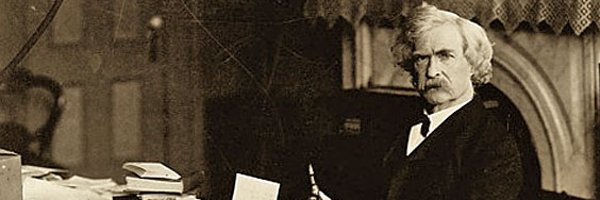
Famous Twain quotes about lies:
"A lie can travel halfway around the world while the truth is still putting on its shoes."
"There are three kinds of lies: lies, damned lies, and statistics."
"If you tell the truth, you don't have to remember anything."
"It is easier to fool people than to convince them they have been fooled."
"How easy it is to make people believe a lie, and [how] hard it is to undo that work again!"
"The truth has no defense against a fool determined to believe a lie."


-- Sent from my Linux system.
A NASA software engineer for 23 years (retired), Silicon Valley software engineer for 36+years, Egyptology hobbyist and ARCE-NC board of directors member for more than 25 years, reporter and copy editor for the Kansas City Star and Louisville Courier-Journal for 6 years. Phi Beta Kappa, Phi Kappa Phi, Kappa Tau Alpha, Heritage Registry of Who's Who. I favor open source development, Linux, net neutrality, medical care as a right and not a privilege, the ACLU, freedom of religion, separation of church and state, freedom of speech.
Famous Twain quotes about lies:
"A lie can travel halfway around the world while the truth is still putting on its shoes."
"There are three kinds of lies: lies, damned lies, and statistics."
"If you tell the truth, you don't have to remember anything."
"It is easier to fool people than to convince them they have been fooled."
“How easy it is to make people believe a lie, and [how] hard it is to undo that work again!”
"The truth has no defense against a fool determined to believe a lie."
A NASA software engineer for 23 years (retired), Silicon Valley software engineer for 36+years, Egyptology hobbyist and ARCE-NC board of directors member for more than 25 years, reporter and copy editor for the Kansas City Star and Louisville Courier-Journal for 6 years. Phi Beta Kappa, Phi Kappa Phi, Kappa Tau Alpha, Heritage Registry of Who's Who. I favor open source development, Linux, net neutrality, medical care as a right and not a privilege, the ACLU, freedom of religion, separation of church and state, freedom of speech.


In October 2018, U.S.-based journalist and Washington Post columnist Jamal Khashoggi was murdered inside Saudi Arabia's embassy in Istanbul, Turkey. The CIA concluded that the assassination was carried out by Saudi operatives, on order of Saudi Crown Prince Mohammed bin Salman. The prince denied the accusations, although other U.S. intelligence agencies later made the same formal assessment.
This month, President Trump showered the Saudi leader with praise during his first invitation to the White House since the killing. "We've been really good friends for a long period of time," said Trump. "We've always been on the same side of every issue."Clearly. Their shared disdain — and fear — of a free press was evident, from downplaying the killing of Khashoggi to snapping at ABC News reporter Mary Bruce when she asked about his murder.
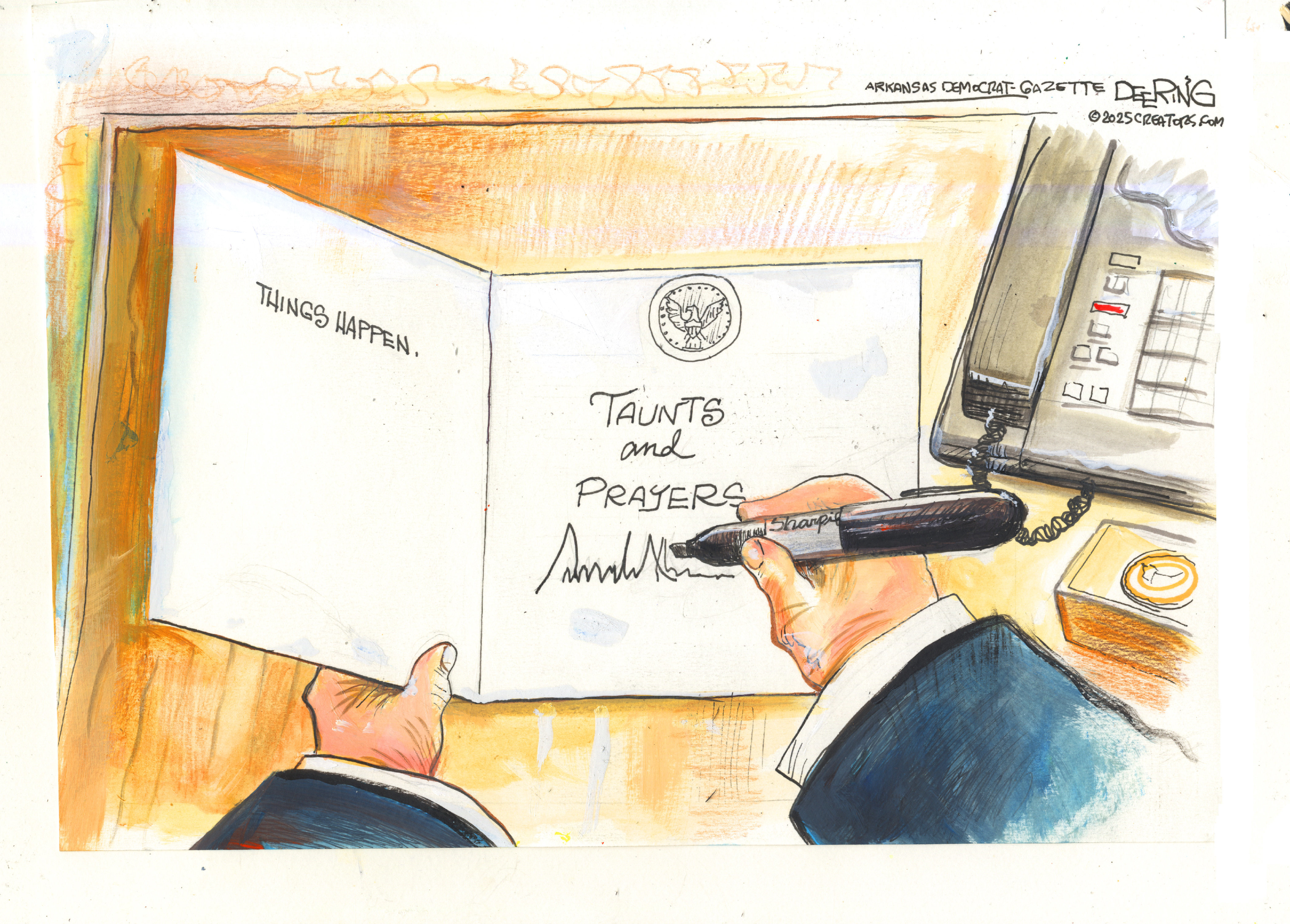
"You don't have to embarrass our guest by asking a question like that," Trump said, then he proceeded to debase a journalist who wasn't there to report on the event because he'd been silenced, forever. Referring to Khashoggi, he said, "A lot of people didn't like that gentleman that you're talking about. Whether you like him or didn't like him, things happen."
Fender-benders happen. Spilled milk happens. But the orchestrated assassination of a journalist by a regime that he covers is not one of those "things" that just happen. It's an orchestrated hit meant to silence critics, control the narrative and bury whatever corruption, human rights abuses or malfeasance that a healthy free press is meant to expose.
Bruce did what a competent reporter is supposed to do. She deviated from Tuesday's up-with-Saudi-Arabia! agenda to ask the hard questions of powerful men not used to being questioned about anything, let alone murder. The meeting was meant to highlight the oil-rich country's investment in the U.S. economy, and at Trump's prompting, Prince Mohammed said those investments could total $1 trillion.
Prince Mohammed addressed the death of Khashoggi by saying his country hopes to do better in the future, whatever that means. "It's painful and it's a huge mistake, and we are doing our best that this doesn't happen again."
And just in case the two men hadn't made clear how little they cared about the slain journalist, and how much they disdain the news media, Trump drove those points home when he referred to Bruce's query as "a horrible, insubordinate, and just a terrible question." He suggesting that ABC should lose its broadcasting license.
Trump confirmed Tuesday that he intends to sell "top of the line" F-35 stealth fighter jets to Riyadh. It's worth noting that the team of 15 Saudi agents allegedly involved in Khashoggi's murder flew to Istanbul on government aircraft. The reporter was lured to the Saudi embassy to pick up documents that were needed for his planned marriage to a Turkish woman.
The prince knew nothing about it, said Trump on Tuesday, despite the findings of a 2021 report from the Office of the Director of National Intelligence that cited "the direct involvement of a key adviser and members of Mohammad bin Salman's protective detail." It concluded that it was "highly unlikely that Saudi officials would have carried out an operation of this nature without the Crown Prince's authorization."
To no one's surprise, the Saudi government had tried to dodge the issue before claiming Khashoggi had been killed by rogue officials, insisting that the slaying and dismemberment was not premeditated. They offered no explanation of how a bonesaw just happened to be available inside the embassy.
Five men were sentenced to death, but one of Khashoggi's sons later announced that the family had forgiven the killers, which, in accordance with Islamic law, spared them from execution.
The president's castigation of ABC's Bruce was the second time in a week that he has ripped into a female journalist when she asked a "tough" question (i.e. anything Newsmax won't ask). Trump was speaking to reporters aboard Air Force One last Friday when Bloomberg News' Catherine Lucey asked him follow-up question about the Epstein files. The president replied, "Quiet. Quiet, piggy."
Trump's contempt for the press was clear, but so was something else he shares with the crown prince, Hungary's Victor Orban and Vladimir Putin: The president doesn't just hate the press. He fears it.
Lorraine Ali is a news and culture critic at the Los Angeles Times. ©2025 Los Angeles Times. Distributed by Tribune Content Agency.
-- Sent from my Linux system.
A NASA software engineer for 23 years (retired), Silicon Valley software engineer for 36+years, Egyptology hobbyist and ARCE-NC board of directors member for more than 25 years, reporter and copy editor for the Kansas City Star and Louisville Courier-Journal for 6 years. Phi Beta Kappa, Phi Kappa Phi, Kappa Tau Alpha, Heritage Registry of Who's Who. I favor open source development, Linux, net neutrality, medical care as a right and not a privilege, the ACLU, freedom of religion, separation of church and state, freedom of speech.

-- Sent from my Linux system.
A NASA software engineer for 23 years (retired), Silicon Valley software engineer for 36+years, Egyptology hobbyist and ARCE-NC board of directors member for more than 25 years, reporter and copy editor for the Kansas City Star and Louisville Courier-Journal for 6 years. Phi Beta Kappa, Phi Kappa Phi, Kappa Tau Alpha, Heritage Registry of Who's Who. I favor open source development, Linux, net neutrality, medical care as a right and not a privilege, the ACLU, freedom of religion, separation of church and state, freedom of speech.


-- Sent from my Linux system.
A NASA software engineer for 23 years (retired), Silicon Valley software engineer for 36+years, Egyptology hobbyist and ARCE-NC board of directors member for more than 25 years, reporter and copy editor for the Kansas City Star and Louisville Courier-Journal for 6 years. Phi Beta Kappa, Phi Kappa Phi, Kappa Tau Alpha, Heritage Registry of Who's Who. I favor open source development, Linux, net neutrality, medical care as a right and not a privilege, the ACLU, freedom of religion, separation of church and state, freedom of speech.


-- Sent from my Linux system.
A NASA software engineer for 23 years (retired), Silicon Valley software engineer for 36+years, Egyptology hobbyist and ARCE-NC board of directors member for more than 25 years, reporter and copy editor for the Kansas City Star and Louisville Courier-Journal for 6 years. Phi Beta Kappa, Phi Kappa Phi, Kappa Tau Alpha, Heritage Registry of Who's Who. I favor open source development, Linux, net neutrality, medical care as a right and not a privilege, the ACLU, freedom of religion, separation of church and state, freedom of speech.

-- Sent from my Linux system.
A NASA software engineer for 23 years (retired), Silicon Valley software engineer for 36+years, Egyptology hobbyist and ARCE-NC board of directors member for more than 25 years, reporter and copy editor for the Kansas City Star and Louisville Courier-Journal for 6 years. Phi Beta Kappa, Phi Kappa Phi, Kappa Tau Alpha, Heritage Registry of Who's Who. I favor open source development, Linux, net neutrality, medical care as a right and not a privilege, the ACLU, freedom of religion, separation of church and state, freedom of speech.
A NASA software engineer for 23 years (retired), Silicon Valley software engineer for 36+years, Egyptology hobbyist and ARCE-NC board of directors member for more than 25 years, reporter and copy editor for the Kansas City Star and Louisville Courier-Journal for 6 years. Phi Beta Kappa, Phi Kappa Phi, Kappa Tau Alpha, Heritage Registry of Who's Who. I favor open source development, Linux, net neutrality, medical care as a right and not a privilege, the ACLU, freedom of religion, separation of church and state, freedom of speech.
A NASA software engineer for 23 years (retired), Silicon Valley software engineer for 36+years, Egyptology hobbyist and ARCE-NC board of directors member for more than 25 years, reporter and copy editor for the Kansas City Star and Louisville Courier-Journal for 6 years. Phi Beta Kappa, Phi Kappa Phi, Kappa Tau Alpha, Heritage Registry of Who's Who. I favor open source development, Linux, net neutrality, medical care as a right and not a privilege, the ACLU, freedom of religion, separation of church and state, freedom of speech.

On Nov. 12, 2025, multiple news outlets reported on documents released by Democrats in the U.S. House of Representatives that supposedly showed messages by convicted sex offender Jeffrey Epstein about U.S. President Donald Trump.
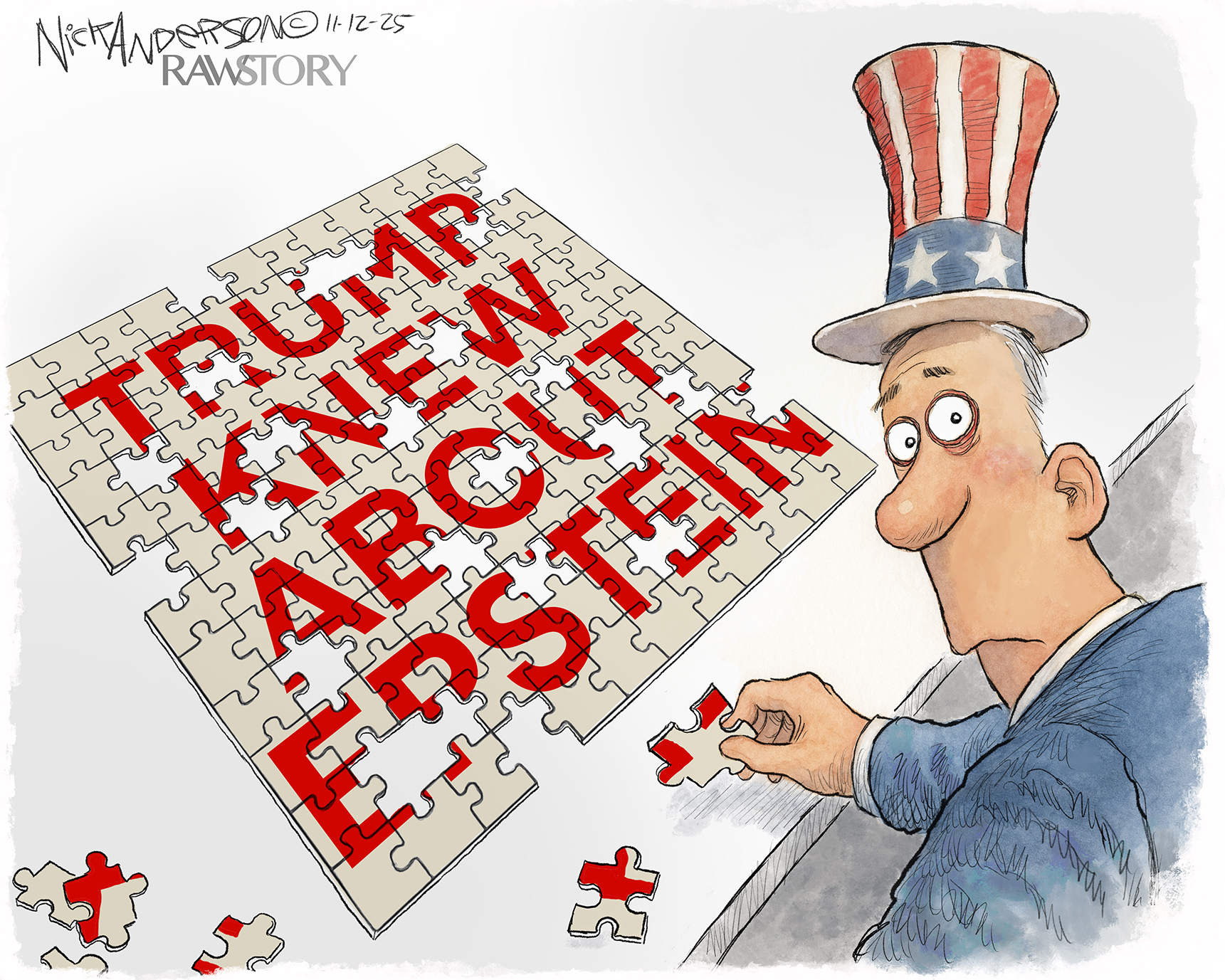
For example, The Associated Press reported Epstein wrote in a 2019 email to a journalist that Trump "knew about the girls," citing the public documents. According to ABC News, Epstein once referred to Trump as the "dog that hasn't barked" and told his former companion Ghislaine Maxwell that an alleged victim had "spent hours at my house with Trump," per the records.
Snopes is working to analyze the documents for independent verification, as of this writing.
The White House is accusing Democrats of selectively leaking the records "to create a fake narrative to smear President Trump."
White House spokeswoman Karoline Leavitt wrote in an email to Snopes, "These stories are nothing more than bad-faith efforts to distract from President Trump's historic accomplishments, and any American with common sense sees right through this hoax and clear distraction from the government opening back up again," referring to the 2025 federal government shutdown.
Over the years, Snopes has covered a number of rumors related to the relationship between Trump and Epstein. Here are 19 of them:
Chi-Sing, Haley. "Bondi Says Epstein Client List 'Sitting on My Desk Right Now,' and Is Reviewing JFK, MLK Files." Fox News, 21 Feb. 2025, www.foxnews.com/politics/bondi-says-epstein-client-list-sitting-my-desk-right-now-reviewing-jfk-mlk-files. Accessed 18 July 2025.
Hutzler, Alexandra. "What Trump Has Said about Jeffrey Epstein over the Years, Including on 2024 Campaign Trail." ABC News, 16 July 2025, abcnews.go.com/Politics/trump-jeffrey-epstein-years-including-2024-campaign-trail/story?id=123778541. Accessed 18 July 2025.
News, PBS. "Read Jeffrey Epstein's Newly Released Emails about Trump." PBS News, 12 Nov. 2025, www.pbs.org/newshour/politics/read-jeffrey-epsteins-newly-released-emails-about-trump. Accessed 12 Nov. 2025.
-- Sent from my Linux system.
A NASA software engineer for 23 years (retired), Silicon Valley software engineer for 36+years, Egyptology hobbyist and ARCE-NC board of directors member for more than 25 years, reporter and copy editor for the Kansas City Star and Louisville Courier-Journal for 6 years. Phi Beta Kappa, Phi Kappa Phi, Kappa Tau Alpha, Heritage Registry of Who's Who. I favor open source development, Linux, net neutrality, medical care as a right and not a privilege, the ACLU, freedom of religion, separation of church and state, freedom of speech.